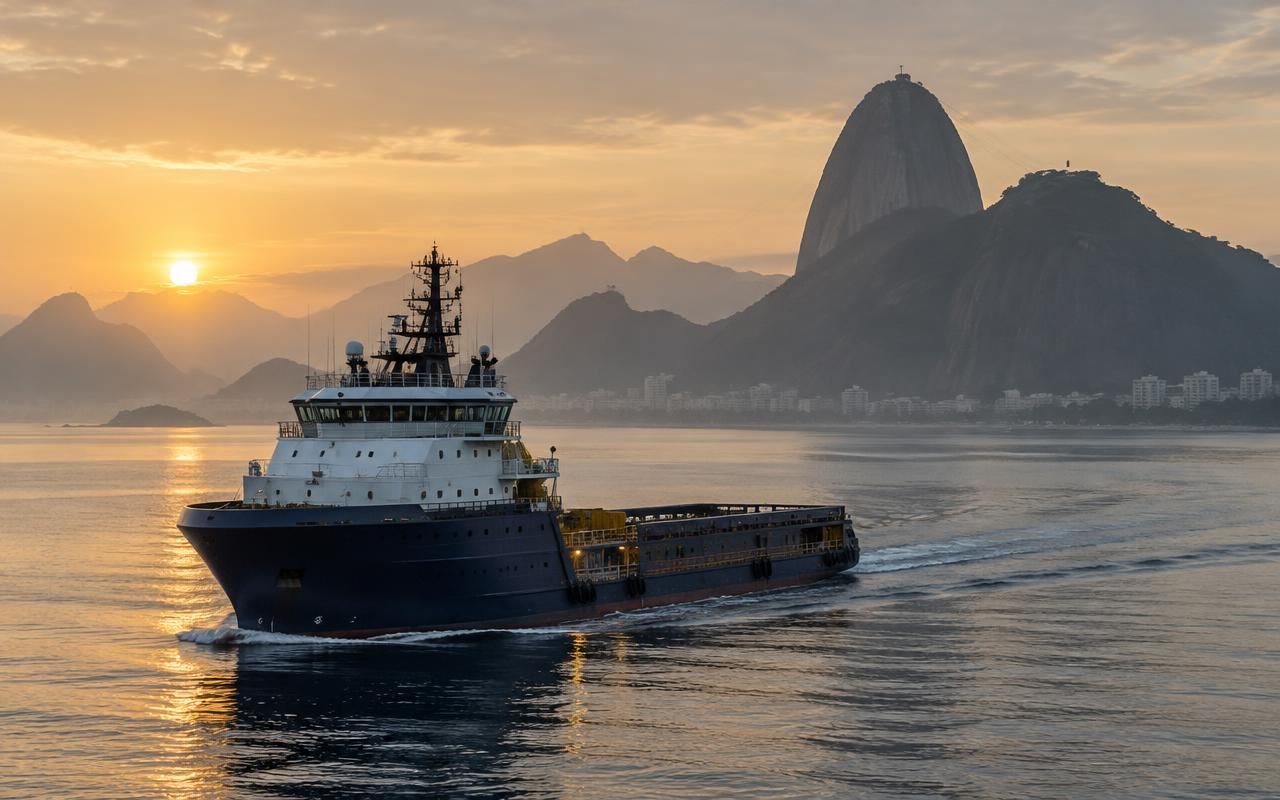
Since 1 November 2026, the Mercosur–EFTA free trade agreement has applied between Brazil and Norway. Norwegian companies now have a ratified, fully operative trade framework with Latin America's largest economy — six months after their EU competitors gained provisional access under EU–Mercosur. The opportunity is real, but the preferences are not automatic: they go to the companies that do the classification, origin and pricing work.
What entered into force, and when
The agreement. The Mercosur–EFTA free trade agreement was signed in Rio de Janeiro on 16 September 2025 (EFTA Secretariat). Brazil promulgated it by Decree No. 13.126 of 23 September 2026.
Brazil and Iceland first. The agreement enters into force country by country, as each pair completes ratification. Brazil and Iceland were first, on 1 October 2026.
Brazil and Norway from 1 November. Brazil and Norway followed on 1 November 2026 (Brazilian Ministry of Development, Industry, Trade and Services, MDIC). The same day, the agreement took effect between Uruguay and both Norway and Iceland.
Still pending. Switzerland and Liechtenstein have not yet completed their procedures. The Swiss Parliament approved the agreement in September, but opponents have launched a referendum and have until 21 January 2027 to collect 50,000 signatures (swissinfo.ch). Argentina and Paraguay are still completing their own ratifications.
What it does in practice
EFTA opens fully on day one. Norway and Iceland removed all tariffs on industrial and fishery products from Mercosur on entry into force. Including agriculture, 99.8% of Brazil's exports to Norway by value now enter duty-free (MDIC).
Brazil opens in stages. On the Brazilian side, about 97% of trade with EFTA will be liberalised. Part is duty-free from the first day; the rest falls in annual steps over four, eight, ten or fifteen years, and around 600 tariff codes are excluded (Castro Barros Advogados).
More than half of Norwegian exports go duty-free now. According to Norway's consul-general in Rio de Janeiro, more than half of Norwegian exports to Brazil face zero tariff from entry into force. Norwegian salmon, which paid 10%, is among them (InfoMoney).
Beyond tariffs. The agreement also covers services, investment, government procurement, intellectual property, technical barriers to trade, sanitary rules, competition and sustainable development, with a dispute-settlement mechanism (EFTA Secretariat). Brazil kept its public health system, SUS, outside the procurement chapter.
Simpler proof of origin. Exporters can declare origin themselves on the commercial invoice or use a certificate from an authorised body. Brazil completed the procedures for self-certification and electronic certificates of origin in early November (DatamarNews).
Where Norwegian companies gain
The starting point is substantial. Norwegian direct investment in Brazil was close to USD 14 billion in 2024, making Brazil the fifth-largest recipient of Norwegian investment worldwide. Around 300 Norwegian companies are present, and Norwegian exports to Brazil reached USD 2.1 billion in 2024, goods and services combined (Menon Economics for the Royal Norwegian Consulate General in Rio de Janeiro).
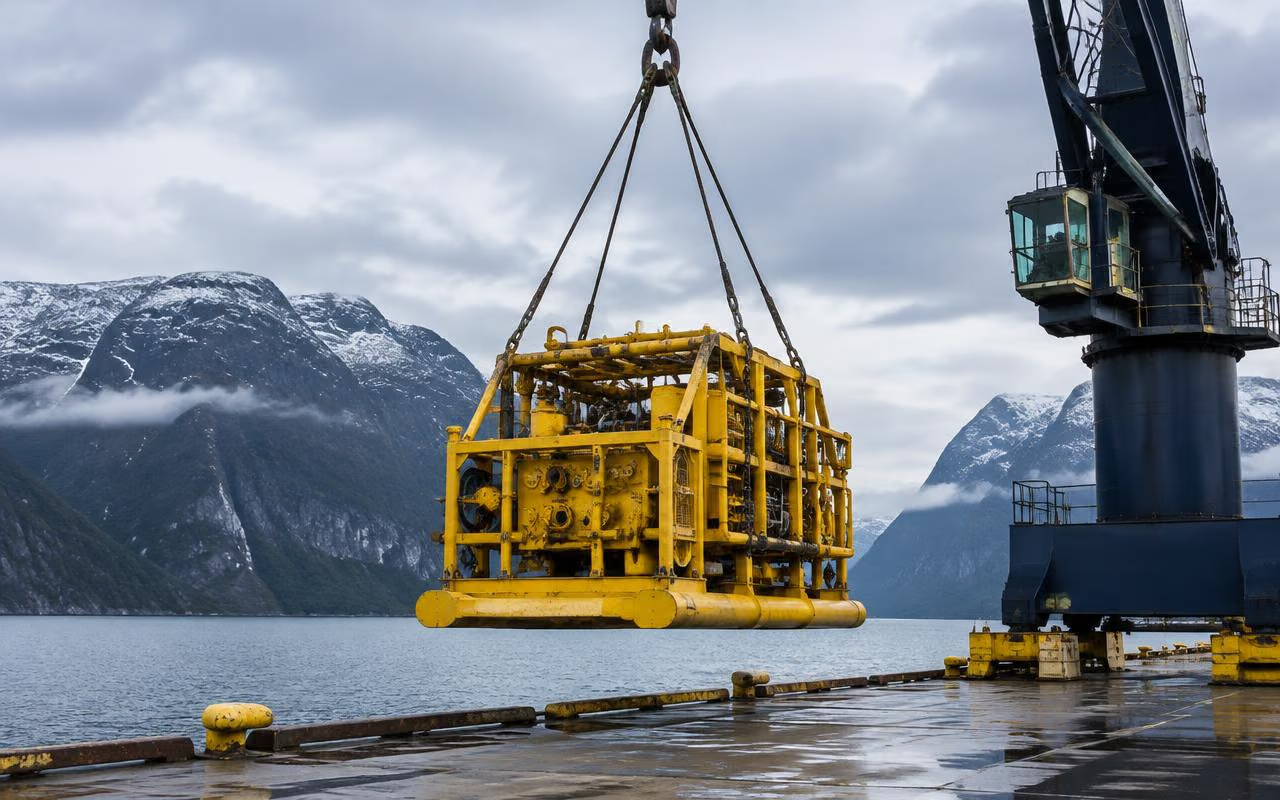
Offshore and subsea. Maritime and offshore account for nearly half of Norway's exports to Brazil, and more than 80 Norwegian offshore companies operate in the country. Equinor alone expects to have invested USD 25 billion in Brazil by 2030. Much offshore equipment already enters under Repetro, Brazil's special customs regime for oil and gas, so the direct tariff gain there is smaller than the headline suggests. The gain is clearest for equipment, spare parts and services supplied outside that regime, and for suppliers to Brazil's wider maritime and port industries.
Fertiliser and agri inputs. Fertiliser is a large share of Norway's energy-intensive exports to Brazil, and Yara has produced renewable-based ammonia at Cubatão since 2024 (Menon Economics). For producers with local plants, the investment and services chapters and predictable origin rules matter as much as the tariff schedule.
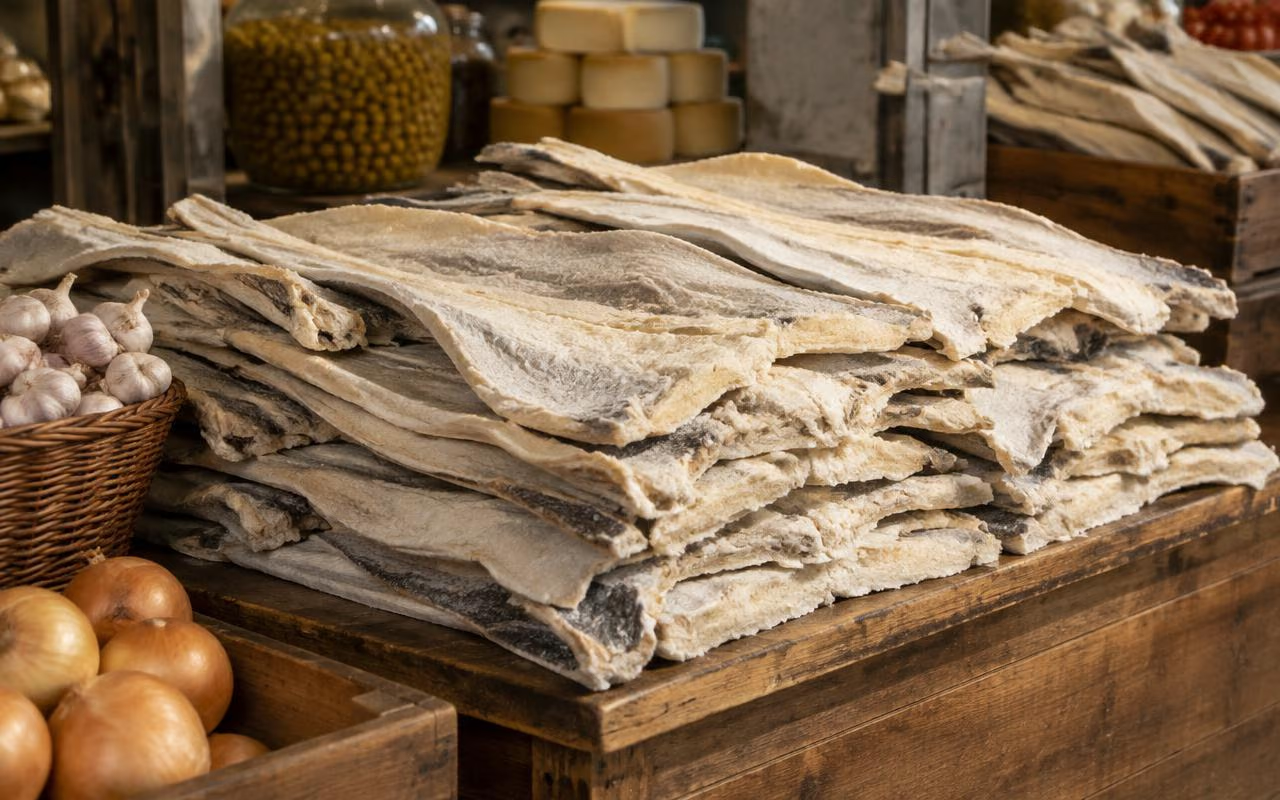
Seafood. Norway holds 57% of Brazil's 86,000-tonne market for conventional clipfish — bacalhau (Norwegian Seafood Council, 2025), and Norwegian seafood exports to Brazil were USD 102 million in 2024. The removal of the 10% duty on salmon narrows the price gap with Chile, Brazil's largest seafood supplier, and opens a second category for Norwegian producers.
Maritime and energy technology. Drilling, automation, vessel operations and low-emission offshore solutions are where Norwegian suppliers are strongest. As Brazilian duties on machinery and equipment fall, Norwegian technology suppliers become more competitive in Brazil's shipping, port and energy-transition programmes.
How it differs from EU–Mercosur
It is ratified, not provisional. The EU–Mercosur interim Trade Agreement has applied provisionally since 1 May 2026, pending an opinion from the EU Court of Justice (see our analysis of EU–Mercosur). Mercosur–EFTA is in force between the countries that have ratified it.
It covers goods made in Norway. Norway is outside the EU, so Norwegian-origin goods did not benefit from EU–Mercosur. Until 1 November, a Norwegian supplier competing with a German or Danish one in Brazil started at a tariff disadvantage. That gap is now closing.
It applies country by country. Today it covers Brazil and Uruguay with Norway and Iceland. EU–Mercosur applies to all four Mercosur states at once.
Origin can work across both. Under certain conditions, inputs from the EU can be used without losing Mercosur–EFTA origin (Castro Barros Advogados). For Norwegian groups with plants in both Norway and the EU, it is worth mapping which site should supply Brazil.
What companies should do now
Check your tariff lines. Look up each product's HS code in MDIC's Mercosur–EFTA dashboard and confirm which lines are duty-free now and which fall over four to fifteen years.
Build origin compliance before the first shipment. Preferences are not automatic. Origin declarations must be backed by supplier records kept for at least three years, and if origin cannot be proven, the Brazilian importer pays the full duty.
Re-price and renegotiate. Decide who captures the saving — you, your distributor or your customer — and update price lists, Incoterms and distribution agreements accordingly.
Review your footprint. For some product lines, exporting from Norway now beats local assembly; for others, a Brazilian plant serving Mercosur remains the stronger option. Test both against the new schedule, Repetro, transfer pricing and Brazil's new VAT.
Watch the next steps. Switzerland's referendum deadline on 21 January 2027 and the Argentine and Paraguayan ratifications will decide how far the free trade area extends.
“A tariff cut only reaches your margin if your price list, your distributor contract and your customs paperwork all say so. Norwegian companies should settle who keeps the saving before the first shipment, not after it.”
The strategic read
For Norwegian companies, Mercosur–EFTA removes a disadvantage rather than creating a windfall. The immediate gains are clearest in salmon and in the half of Norwegian exports that go duty-free on day one. The larger, slower gains are in machinery, equipment and services as Brazilian tariffs fall over the next decade. The companies that benefit most will treat the agreement as an operating project — classification, origin, pricing — rather than as a headline.
The agreement is in force; the advantage goes to the Norwegian companies that claim it, line by line.
Nordic Partner advises Nordic companies and investors on market entry, Strategy, Transaction and Implementation in Brazil — with Funding across all three.
Discuss what Mercosur–EFTA means for your business